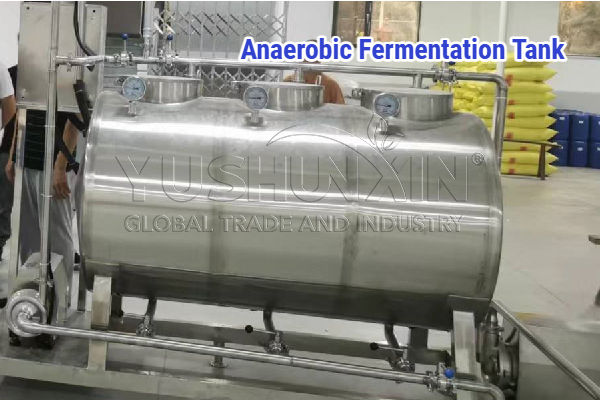
Designing an efficient anaerobic digester is a crucial step for any business planning to produce liquid organic fertilizer at scale. A properly engineered anaerobic fermentation tank—also known as a bioreactor, fermentation vessel, or anaerobic digestion system—helps convert organic raw materials such as manure, food waste, plant residues, or slurry into nutrient-rich liquid fertilizer while minimizing odor and improving nutrient availability. For investors and beginners entering the fertilizer industry, understanding digester design is essential for building a stable and profitable liquid organic fertilizer production line.
1. Key Factors in Anaerobic Digester Design
1) Tank Material and Structure
High-quality digesters are typically made of carbon steel, stainless steel, or glass-lined steel, providing corrosion resistance and long service life. The choice affects both operational stability and the overall organic liquid fertilizer plant investment.
2) Mixing and Agitation System
Effective mixing ensures uniform fermentation, faster decomposition, and consistent organic matter breakdown. Many modern anaerobic fermentation tanks use mechanical agitators, paddle mixers, or gas circulation systems to enhance contact between microbes and raw materials.
3) Temperature Control
Temperature is one of the most important parameters in anaerobic digestion. Mesophilic (30–40°C) or thermophilic (50–60°C) modes can be selected depending on desired fermentation speed. A good digester includes automatic heating jackets, insulation layers, and real-time temperature monitoring.
4) Gas Collection and Safety System
During anaerobic digestion, biogas is generated. A reliable biogas collection system, pressure-release valves, and safety sensors are essential for preventing accidents and improving energy utilization efficiency.
2. Why Anaerobic Digesters Are Ideal for Liquid Organic Fertilizer
Compared with traditional composting, anaerobic digestion equipment offers several advantages:
- faster nutrient release and higher solubility
- reduced odor and pathogen levels
- improved nitrogen retention
- continuous production suitable for commercial use
- compatible with slurry, manure, and high-moisture materials
These advantages make the anaerobic digester a core machine in many liquid fertilizer manufacturing plants.
3. Recommended Equipment for Liquid Organic Fertilizer Plants
A complete liquid fertilizer production system often includes:
- pre-treatment crusher and mixer
- solid-liquid separator
- anaerobic fermentation tank / digester
- storage tanks
- filtration or polishing equipment
- liquid fertilizer filling machine
YUSHUNXIN company offers custom-designed anaerobic digester systems with optional automatic feeding, insulation, agitation, and monitoring functions, ensuring efficient and stable liquid organic fertilizer production. If you want to know more, welcome to visit: https://www.liquidfertilizerplants.com/products/liquid-fertilizer-anaerobic-fermentation-tank/
Leave a Reply