Producers working with fish protein liquid fertilizer—also known as fish amino acid liquid, fish hydrolysate, or fermented fish-based biofertilizer—often face one universal challenge: odor during processing. Because the raw materials include fish waste, viscera, or by-product streams, managing smell is essential for maintaining a clean production environment and meeting local environmental compliance standards. Below are practical odor control techniques widely used in modern liquid fertilizer plants, especially those manufacturing fish-derived nutrient solutions.
1. Optimizing Fermentation Conditions to Minimize Odor Release
In fish hydrolysate processing, most odors originate from incomplete fermentation or uncontrolled decomposition. Stabilizing microbial activity is one of the most effective odor-reduction strategies.
Key parameters include:
- Temperature control to keep fermentation within the ideal 30–40°C range.
- Proper microbial inoculation to speed up protein breakdown and reduce the production of volatile amines.
- pH adjustment, usually maintained on the acidic side (around pH 4), to prevent the growth of odor-causing bacteria.
Producers commonly use sealed fermentation tanks, acid-resistant bioreactors, or automated liquid fertilizer fermenters to maintain stable conditions and prevent raw material exposure to open air. Learn more!
2. Using Mechanical Odor Control Systems for Vent Gas Treatment
Even with optimized fermentation, some odor-laden gas will form. Modern fish protein liquid fertilizer plants often integrate:
- Biofilters using microbial beds to neutralize odors.
- Activated carbon towers for adsorption of volatile organic compounds.
- Cyclone or water-scrubber systems for washing ammonia and amine vapors.
These systems connect directly to the closed-type fermentation tank or mixing system, preventing the smell from spreading to surrounding areas.
3. Improving Raw Material Handling and Pre-Processing
Odor problems often start before fermentation begins. Freshness and handling speed greatly influence the smell intensity.
Typical odor-reduction practices include:
- Pre-crushing fish residues with a low-temperature crusher to shorten decomposition time.
- Prompt mixing of raw materials with acid or microbial starters.
- Using sealed screw conveyors or closed feeding hoppers to prevent exposure.
Producers who adopt sealed conveying and crushing equipment experience significantly lower odor leakage during early processing.
4. Equipment Selection That Supports Odor-Free Production
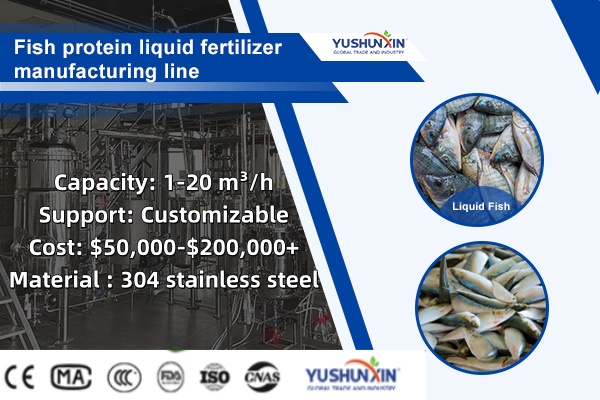
Many modern production lines for fish amino acid liquid fertilizer incorporate equipment specifically designed for odor control:
- Closed stainless-steel fermentation reactors
- Automatic pH-regulating systems
- Liquid fertilizer mixing tanks with airtight lids
- Integrated exhaust treatment units
These systems help maintain a controlled internal environment while ensuring consistent fertilizer quality.
If you’re seeking a solution for controlling odor in the production of liquid fertilizer from fish residue, you can visit: https://www.liquidfertilizerplants.com/products/fish-protein-liquid-fertilizer-manufacturing/
Leave a Reply