Creating a sustainable business from organic waste is not only profitable but also eco-friendly. Among various organic fertilizers, cow dung powder fertilizer stands out for its nutrient content and easy processing. This guide walks you through each stage of building a successful and sustainable fertilizer cow dung powder making plan that benefits both the environment and your farm’s productivity.
1. Understanding the Process and Planning the Project
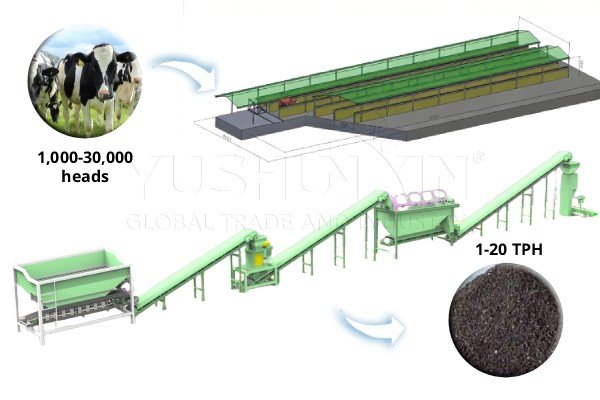
Before starting, define clear goals for your project. Determine the capacity, available raw materials, and target market. A well-structured cow dung fertilizer production line is crucial. It typically includes composting, drying, crushing, mixing, and packaging sections. Selecting reliable equipment at each stage ensures efficiency and product quality.
2. Preparing and Composting Raw Materials
Fresh cow dung contains high moisture and pathogens, so proper composting is essential. Pile the dung and mix it with agricultural waste or crop residues to balance the carbon-nitrogen ratio. Aerated composting helps reduce odor and promotes microbial activity. Once the composting phase is complete, the material becomes stable and ready for further processing.
3. Installing the Drying and Crushing System
To achieve the desired powder texture, moisture control is critical. A cow dung drying and crushing system removes excess water and breaks down lumps into fine particles. Modern systems combine rotary dryers and high-efficiency crushers to deliver a consistent output. This stage not only improves storage stability but also enhances the value of the final fertilizer.
4. Managing Costs and Budgeting
Budgeting defines the sustainability of the project. Understanding the powdery cow dung fertilizer production cost helps you make informed investment decisions. Costs vary depending on factory size, local labor, energy consumption, and equipment type. Starting small and scaling gradually often provides the best return on investment for new entrepreneurs.
5. Choosing a Turnkey Project Option
If you prefer a ready-to-run solution, consider investing in a turnkey project for cow dung fertilizer powder production. These full-service packages include equipment design, manufacturing, installation, and training. By working with experienced suppliers, you save time and reduce the risks of technical errors during setup. Learn more.
6. Promoting Sustainability and Market Impact
Sustainability lies at the heart of this business model. Using cow dung as fertilizer reduces waste, improves soil structure, and enhances crop yields without the harmful effects of chemical fertilizers. Once your plant is operational, you can market your organic fertilizer to local farms, nurseries, or even export markets seeking eco-friendly agricultural inputs.
Conclusion
Building a sustainable cow dung fertilizer plant requires thoughtful planning, efficient technology, and environmental commitment. By following these steps—from composting to cost control and turnkey installation—you can establish a profitable enterprise that contributes to sustainable agriculture and circular economy goals. Start the projects on https://www.fertilizerbusinessplan.com/cow-dung-powder-making-machine/ now!
Leave a Reply