When you plan an organic fertilizer project, the equipment configuration depends on your raw materials, final fertilizer products, production capacity, and market requirements. A complete production line is not only a combination of machines but also a connected process that transforms organic waste into stable and valuable fertilizer products.
Before selecting equipment, you can evaluate your material characteristics and production goals. Different projects may require different solutions, from simple powder fertilizer processing to commercial granular fertilizer production.
Raw Material Preparation Creates the Foundation
The first stage focuses on preparing organic materials for further processing. Raw materials such as livestock manure, agricultural residues, and other organic waste may have different moisture levels and structures, which influence the following production steps.
For customers handling agricultural residues, a biomass waste fertilizer production system can include material preparation, fermentation, crushing, mixing, and granulation according to the project requirements.
The preparation stage helps create more stable conditions for later processes and improves the consistency of the final fertilizer product.
Fermentation Equipment Helps Stabilize Organic Materials
Fermentation is an important part of organic fertilizer production. During this stage, organic materials are converted into a more suitable condition for fertilizer processing.
A compost turner for organic fertilizer production can help mix and aerate compost materials during fermentation. The turning process supports better oxygen distribution and helps maintain suitable composting conditions.
Different projects may select open fermentation systems, composting equipment, or other fermentation solutions depending on available space, production scale, and environmental requirements.
Crushing, Mixing, and Granulation Equipment
After fermentation, the material may need crushing and mixing before entering the granulation stage. Crushing helps reduce larger particles, while mixing creates more uniform material conditions.
If your goal is commercial fertilizer sales, you may consider granulation equipment to produce easier-to-transport and easier-to-apply fertilizer products.
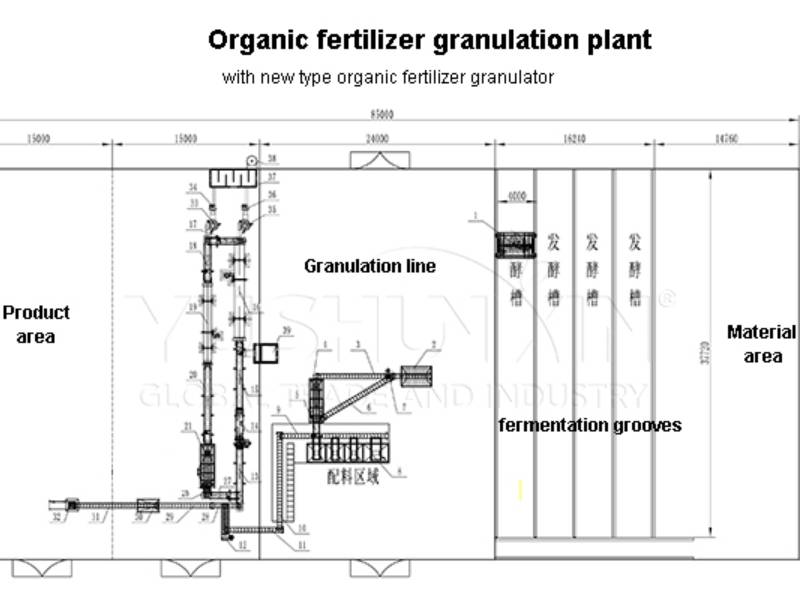
For example, a pig manure fertilizer production line may include fermentation, crushing, screening, granulation, drying, cooling, and packaging sections based on the final product requirements.
Automation and Packaging Improve Production Efficiency
For larger fertilizer projects, automation can help connect different production stages and reduce manual operation. An automatic organic fertilizer production line can integrate feeding, processing, control, and packaging systems to create a smoother production workflow.
When selecting equipment, you can also discuss technical support, installation experience, and after-sales service with a fertilizer equipment supplier Europe to understand how the system fits your local production environment.
Click here for more details to explore complete organic fertilizer production solutions.
Building a Complete Fertilizer Production Solution
A complete organic fertilizer production line is designed around your materials, product goals, and future development plans. By connecting preparation, fermentation, processing, granulation, and packaging stages, you can create a production system that matches your business needs.
For more information about organic fertilizer production equipment and solutions, you can visit https://www.shunxin.eu/organic-fertilizer-production-line/
Leave a Reply